
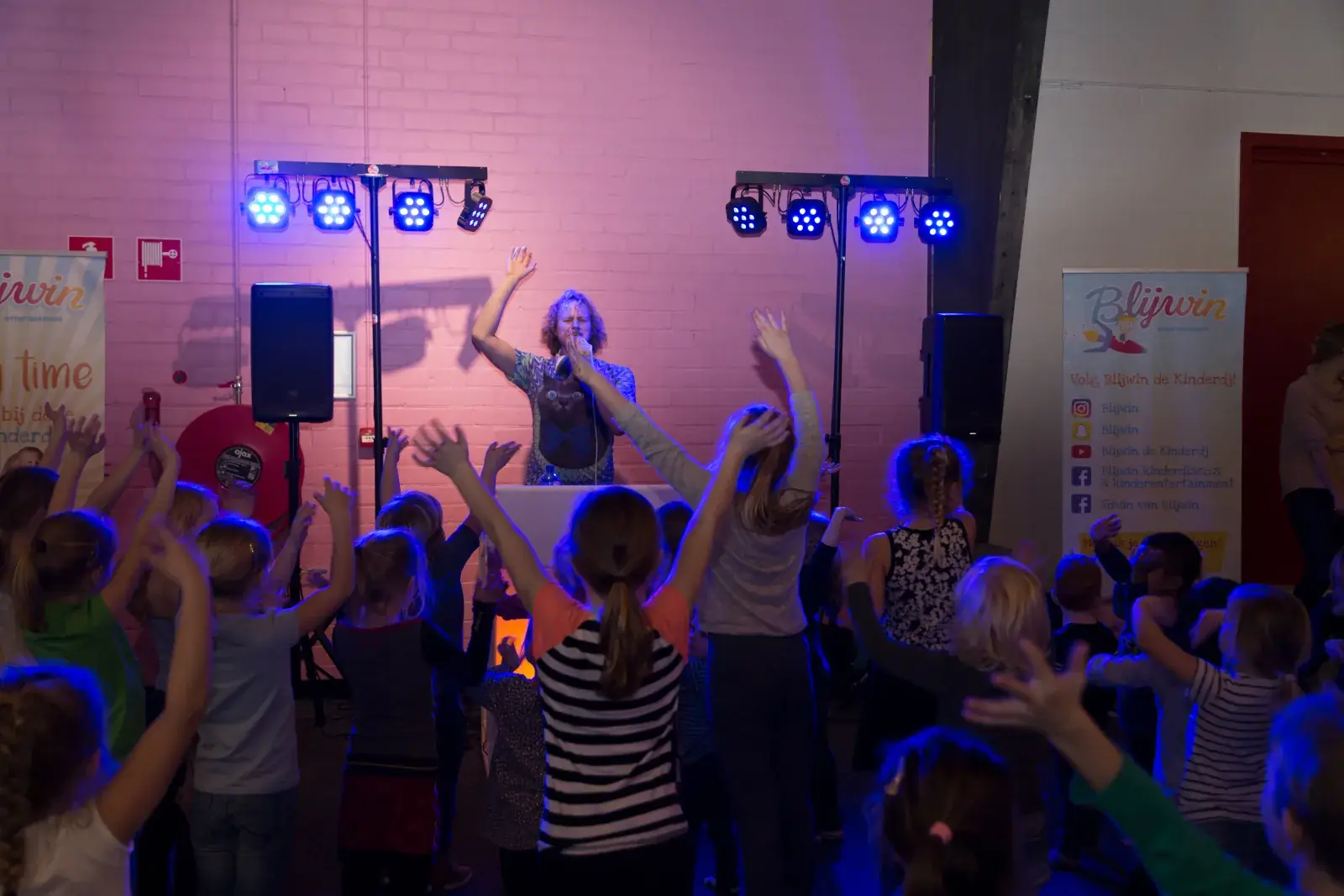
Look at your pupils before choosing the times
Start with numbers in each age group, available dancing space and the adults who can help. Labels such as younger and older years are not enough: schools organise classes differently. Write down actual ages and which classes would attend together.
Consider the event itself too. A short dance for everyone during a school fair is different from a full disco for children aged four to twelve. Explore the school disco and discuss a suitable arrangement before fixing the timetable.
When can a mixed group work?
One session can suit a manageable group of children who know each other, provided the programme does not focus only on the oldest pupils. A shared opening song or finale may also work alongside separate rounds, if space and supervision allow.
Let younger children join in their own way. They do not have to stand at the front or follow every dance. Give older pupils room for their favourites without letting them choose every track. A few requests from each class offer a better picture than a list from the loudest group alone.
When are separate sessions helpful?
A wide age range, crowded hall or very different music tastes can make separate time slots easier. The DJ can adapt explanations, pace and songs to each group. Younger children can celebrate earlier, while older pupils have a session of their own.
You might divide pupils into younger and older groups, or add a middle group at a larger school. There is no universal year-group split. Base the choice on your pupils, venue and agreed programme.
Include the changeover in your timetable
Two sessions need more than two start times. The first group may need drinks, belongings and a handover before the next arrives. Decide where waiting pupils and collecting parents will stand, keeping entrances and routes clear.
Planning example: two agreed 45-minute shows with a 15-minute changeover take 105 minutes altogether. This is an example, not a package description or a promise that fifteen minutes is enough. Confirm performance time, breaks, setup and pack-down in advance. An extra group or long gap is not automatically covered by the same booking.
Give each session its own music notes
Ask each group for a short selection of favourite songs. A teacher or parent can check lyrics and preferred versions. Include tracks you would rather leave out, so the DJ does not have to guess your school’s expectations during the party.
Keep room to respond to the children. Not every request will fit, and an activity for the youngest pupils may not suit the oldest. Read about the DJ at a kids disco and discuss what your groups enjoy.
Who supervises the children?
The school or organising parents provide supervision; the DJ runs the entertainment. Allocate adults to the door, drinks, toilet trips and collection. Choose one contact for the DJ and a quiet place for children who need a break.
Invitations should name the child’s session, door-opening time, finish time and collection point. If siblings want to join a different group, agree beforehand whether that is possible. The doorway is not the best place to decide.
Send one clear message to the organiser
Include the date, location, ages and numbers per group, preferred sessions, available space and supervision plan. Mark any fixed times. Discuss your school party through Kidsdisco.eu; Kidsdisco.eu handles the commercial proposal and booking. Confirm the final arrangement before sending invitations.
Looking for ideas? Browse our disco tips.